Fragility is multifaceted, driven by conflict, economic pressure, or environmental shocks, but fuelled by states’ limited capacity to absorb them. According to the OECD, highly and extremely fragile states hold 25% of the world’s population, yet account for 72% of the world’s extreme poor.
To mark our new video on fragility, we’re looking at why this matters for EU external action, and what tools the EU already has to respond.
Why fragility is strategic, not just humanitarian
Fragility disrupts regional stability, strains supply chains, undermines food security, and drives displacement, consequences reaching far beyond any fragile state’s borders. The question isn’t whether the EU should engage in fragile contexts, but how.
Three levers the EU already has
1. Prevention beats reaction
Acting early costs less than reacting after a crisis escalates. The EU already requires conflict sensitivity across its external action budget, and keeps investing in early-warning systems and peacebuilding.
2. Local context should drive the response.
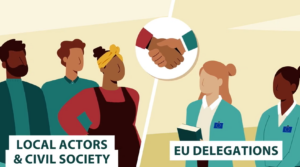
There’s no single template for fragility. EU Delegations help inform policy on the ground, but local actors and civil society remain essential for approaches that fit context.
3. Staying engaged, even when difficult.
Initiatives like the Global Gateway emphasise infrastructure and public-private partnerships, but private partners often hesitate to invest where risks are highest, precisely where fragile states tend to sit. That’s why the EU is exploring a more differentiated approach where investment logic falls short.
Addressing fragility is how the EU stays a credible partner in the world’s toughest contexts, and supports the people building peace.